Sunday, 13 July 2014

Sunday 13th. July 2014

A visit to High Elms in a brief period of sunshine earlier in the week found Silver-washed Fritillary numbers just very slightly higher . I think that this is not going to be the bumper year for the species
that I was hoping for . The males feeding in between circuits of open glades where they hope to find a female . So far , I have only sighted two females , but one of them was egg laying at the base of a
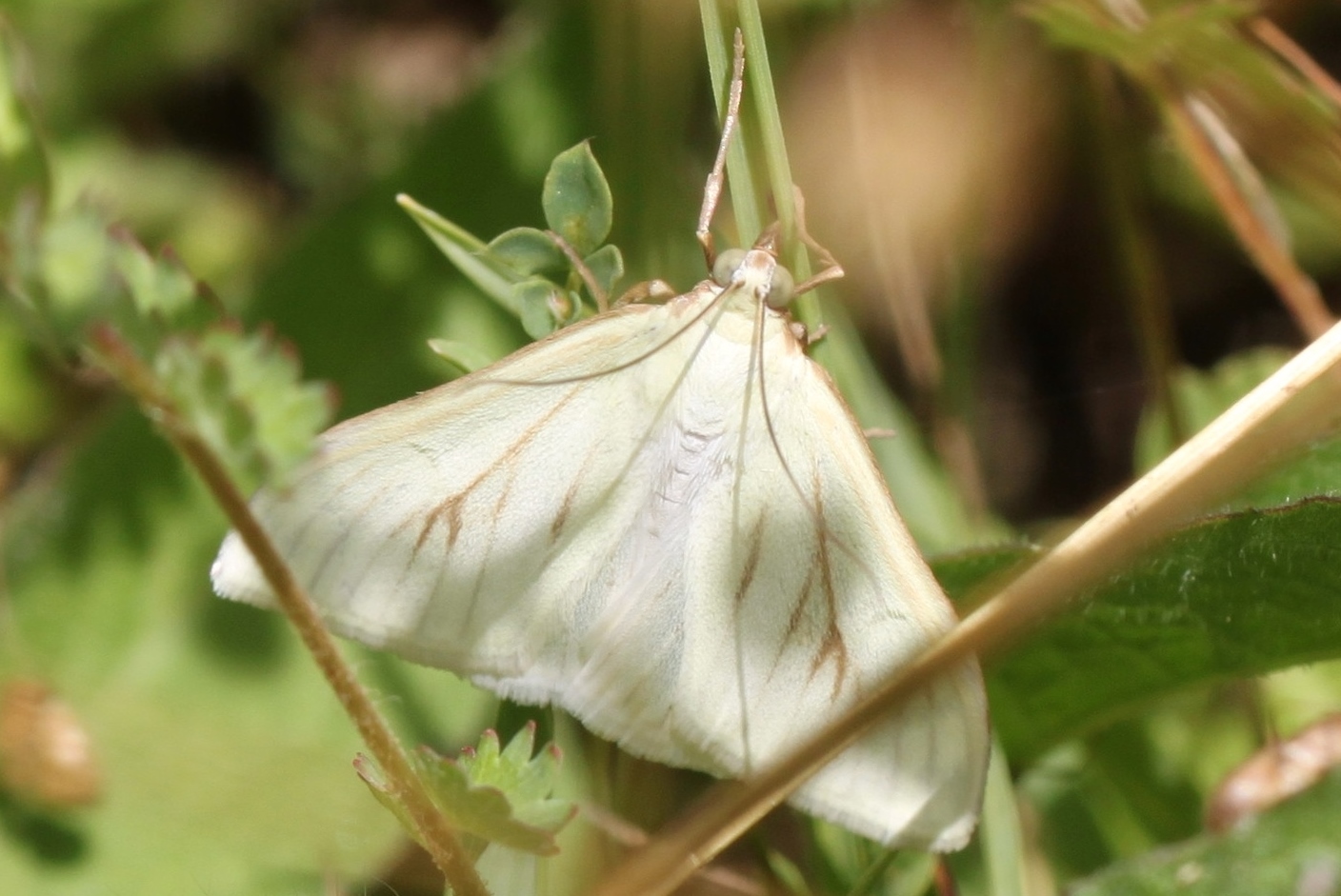
tree , as always , in the shade . With Burnt Gorse still short on butterflies , it was a white moth that caught my eye as it moved amongst the grasses . Finally managed to get a shot of it , which turned
out to be something of a rarity for the area , Sitochroa palealis / Sulphur Pearl . Small Skipper are
doing well , and again several females were egg laying on Yorkshire Fog . This time , I kept watch on the chosen grass stem , and when she was well clear of the area , had a look . peeling back the outer sheath of the stem , I found the white eggs that she had just deposited , plus some darker eggs from a
previous deposit , plus two small caterpillars , presumably from an even earlier deposit further down the stem . I carefully replaced things as I found them . On the edge of the farmland at the bottom of the site , a large stand of umbellifers had attracted the Ichneumon Ambleteles armatorius ,
and whilst it avidly fed , I managed a couple of close ups . Strange insects with thorax and abdomen joined by the narrowest of waists , just visible in black between the hind legs . On the way back home , I stopped off at Hutchinsons Bank for a quick look around before the sun disappeared . The
only new sighting was a first 2nd. brood Common Blue of the year , which posed on Greater Yellow Rattle for the shot . On leaving the site , a look at the Peacock caterpillars found them larger , but
fewer in number , hopefully because they have dispersed rather than having been predated . After two days of almost constant rain , I managed to do the High Elms butterfly transect yesterday afternoon . Seventeen species were recorded , with the biggest change being a dramatic drop in Ringlet numbers from 232 last transect to 105 this . Meadow Brown , Small Skipper and Large White all slightly up , and remaining species about the same . A single Dark Green Fritillary on the Conservation Field , 14 Gatekeeper  and 3 Hairstreak sp. in the bottom glade were the only new additions . The latter were high in an Ash which dominates the Wych Elm in the glade , and only seen as silhouettes , so couldn't positively identify as Purple or White-letter . Other interest found on the way round included a
'Bambi' Roe deer fawn up on Burnt Gorse with no sign of an adult, an almost Hornet sized hoverfly ,
Volucella zonaria  , and amongst the grasses , a relation of the Common Mallow found on road
verges and the like , Musk Mallow / Malva moschata . Whilst trying to ID the Hairstreaks in the bottom glade , I was constants 'buzzed' by two male Brown Hawkers , that is when they weren't scrapping amongst themselves . One did come to rest about 5mtrs. up in a Beech , but with only the
100mm. macro lens , was not able to do it justice . And finally , in the same glade , I got a few shots of what could well be the rarest find that I will ever make in the natural world . I spotted what I thought from the flight was a female SWF moving through the vegetation . When it stopped , with binoculars I could only see the left topwing , and saw the four dark bars on the forewing of a male . It moved on several times before I managed to get close , and eventually got as close as I dared , to be
astonished by what I saw . A SWF with a male left wing and a female right wing . I had to blink several times to confirm what I was looking at . It was then disturbed by a male which proceeded to court M/F along the edge of the glade , corkscrewing around it . After a couple of laps of the glade , the pair swooped upwards and over the surrounding trees , leaving me thinking , 'what sort of cheese was that' ? Walking back to the car I couldn't believe was I was looking at on the back of the camera and couldn't wait to get home and find out if it was real . My first call was to Martin and after describing what I had seen , came out with 'halved gynandromorph' , meaning half male and half female , split directly down the centre , having a single clasper , one male and one female antenna and later phoned back to say that even the eyes are different and the shape of the abdomen is different on each side , something that he had never seen before in the wild or in captivity . I have enlarged the
centre of the previous shot , and this can be seen . I Googled 'halved gynandromorphy' and found  other specimens . I just hope that the specimen appears next Sunday when Kent BC are on site for their visit .

Tuesday, 8 July 2014

Tuesday 8th. July 2014

The most recent bird survey at Down House produced 18 species , the best being Yellowhammer and Sparrowhawk , along with a Roe doe in the long grass in the large meadow that I came across almost accidentally , giving no chance of a picture . Fortunately the Violent Helleborines can't run away ,
and 6 flowering spikes were found . Hopefully they will escape the browsing of the deer . I stopped off at High Elms on the way back , still no sign of White-letter Hairstreak and Silver-washed Fritillary numbers were slightly up , but no White Admiral sighting this time . Hope things improve for Kent Butterfly Conservation's visit the weekend after next . In the bottom glade I watched a
female Small Skipper carefully choose a specimen of Yorkshire Fog grass , before laying a batch of
eggs , then re-fuelling on Red Clover before laying the next batch .
Still making early morning visits on the Common for Purple Hairstreak , but these too are still to be
found . The visits did produce my first local Gatekeeper , along with a female Silver-washed
Fritillary , still tucked up with a male Meadow Brown , enough said on that subject , and a nice fresh
Comma . The Brambles might not have produced the hoped for PHs , but they were crawling with grasshoppers and crickets , in various stages of development . Roesel's Bush-Cricket seemed to be the
most advanced , identified by the cream/green edging to it's pronotum . Whereas the Meadow
Grasshopper ( on the left  and the Conehead , unsure if it is Long or Short Winged at this stage , still have a lot of growing to do to catch up .
This morning I made a visit to Sevenoaks Reserve , starting in sunshine , but with cloud rolling in .
From Willow Hide , the Great Crested Grebes are down to just one youngster , mind you , it was
making enough noise for two , constantly calling for food , which the male seemed to be supplying in a constant stream .Lots of Canada and Greylag Geese doing their morning ablutions , and over on the
island , a Little Egret that was doing it's exercises , starting on the parallel bars , before hopping up to
the high bar amongst the Willow branches . Even the Odonata was in short supply , a couple of male Emperor Dragonflies , a male Brown Hawker , a few Banded Demoiselles , the males showing the
damage from aerial battles . Whilst looking for Small Red-eyed Damselfies , which I didn't find , from the last fishing swim on Long Lake , I got the feeling that I was being watched , and on turning
round , found this 'imported killer' coming towards me along the concrete path , an American Mink .
I had no time to change settings , but just pointed the lens and fired off a few shots , before it disappeared into the bankside vegetation . I couldn't even back off , or I , and the camera would have finished up in Long Lake . Over the other side of the site , the only interest I found was a possible
leucistic Greylag Goose , but I kept thinking it might have something to do with the white goose that I have seen several times on site . On getting back to the car park , I mentioned the Mink at the Visitor Centre , and was surprised that they are only allowed to monitor rather than trap the species at this time of year , while it decimates unknown numbers of breeding native birds and wildfowl .

Thursday, 3 July 2014

Thursday 3rd. July 2014

With things quiet on the bird front , butterflies have taken over . I have made several morning visits to local Purple Hairstreak sites , but haven't manage to find one at any of them . But whilst looking ,
have found many of this seldom-stopping  Ichneumon . The two yellow bands on the abdomen and yellow spot on the top of the thorax , I believe makes it Amblyteles armatorius , or not !
I also failed to find a Chalkhill Blue when I visited the Kent BC site managed for them on Tuesday
morning . The only real interest found was a moth , which I am hoping someone can help identify .
I spent the rest of the morning wandering around the Downs , where I managed to record 14 species

of butterfly , including 4 very fresh Chalkhill Blue . I was also very pleased to find 4 Dark Green Fritillary . The other 12 species were what would be expected , but many of them , especially the

Meadow Brown and Marbled White were found to be infested with Red Mite . The Marble White topped the species count at 231 .
The warmer weather has encouraged more chalk grassland plants to flower , like ,
Common Centaury / Centaurium erythraea ,
Yellow-wort / Blackstonia perfoliata ,
almost in flower Autumn Gentian / Gentianella amarelle , all members of the Gentian family ,
and Sainfoin / Onobrychis viciifolia , a member of the Pea family .
I met up with fellow enthusiast Cliff who asked if I had seen the Privet Hawk Moth on a stile a bit back . I admitted that I had crossed the stile , but hadn't looked behind one of the supporting posts . I
went back and found the moth , a superb male , and managed to wedge a 35mm. film canister alongside it for size comparison , without disturbing it . Almost back at the car , whilst looking over a
log pile , a juvenile Adder was spotted , the only one I saw all visit . No sooner had we grabbed
shots , Cliff spotted a second PHM , again at rest on a fence post , another male , but not in as good condition as the first .
Yesterday I did the full High Elms butterfly transect , which produced 13 species with as expected Meadow Brown and Ringlet way out in front . Small Skipper (32) , Marbled White (29 - 50% down on last year) , and Silver-washed Fritillary (9 including the first female of the year) , being the notables .
This morning , in perfect conditions , I made another visit to Dene Park for Purple Emperor . The conditions were right , but the PE didn't play ball . Several sightings at tree top level , a couple of sorties lower down but never landing , a brief landing by a female with half it's hindwing missing . Much frustration for the 6 or so on site , with no one managing to get a single shot . By 1230 , with the temperature 25C+ , I called it a day . Not a total waste though , as the visit provided an
opportunity to get the White Admiral underwing , and a small amount of purple , in the shape of my first Purple Hairstreak of the year , that dropped into the trackside vegetation , making it almost

impossible to photograph . It only stayed for a short time before heading back for the tree tops . Hopefully the quality of shots will improve on future specimens .  The most unexpected find was a
Golden-ringed Dragonfly that was hawking one of the glades and came to rest high overhead .

Tuesday, 1 July 2014

Monday 30th. June 2014

A picture catch up on a few visits , grabbed between rain , tennis and football .
A full transect at High Elms produced 12 species , numbers still low , but Ringlet (230) exceeded Meadow Brown (177) . Marbled White (12) well down on last year .
Finally managed to photograph a male Silver-washed Fritillary , 6 in total seen at High Elms .
Also managed the White Admiral that had been eluding me , 2 seen on the visit .

And a pair of Ringlet doing their bit for the species .

A trip up onto the Common found a confiding Jay ,

a Leaf-cutter Bee / Megachilidae sp. , complete with cut section of leaf ,
and a mating pair of Oedemera nobilis , male with the 'guns' on his rear legs .
A depressing visit to the SSSI chalk grassland site , Salt Box Hill . The figure in the centre is one of the goats that is meant to be keeping down the vegetation , the regrowth behind says it all . Just 9 Marbled White were seen , I used to have counts of 250+ on the site .
A return to Dene Park did produce an open wing shot of a male Purple Emperor , and 3 were seen flying above the master tree , just 2 SWF and a few WA apart from them .


With cloud rolling in and rain approaching , I had a look at the heathland area of close by Tudeley Woods . Not a lot found , apart from this Knot Grass caterpillar .
but the visit did produce my first Gatekeeper of the year in the dull conditions .
And finally , the Wood Mouse has no fear of us around , I was only a couple of metres away when I
took this shot , and even closer for the second . If you look closely , I am reflected in it's eye  .